
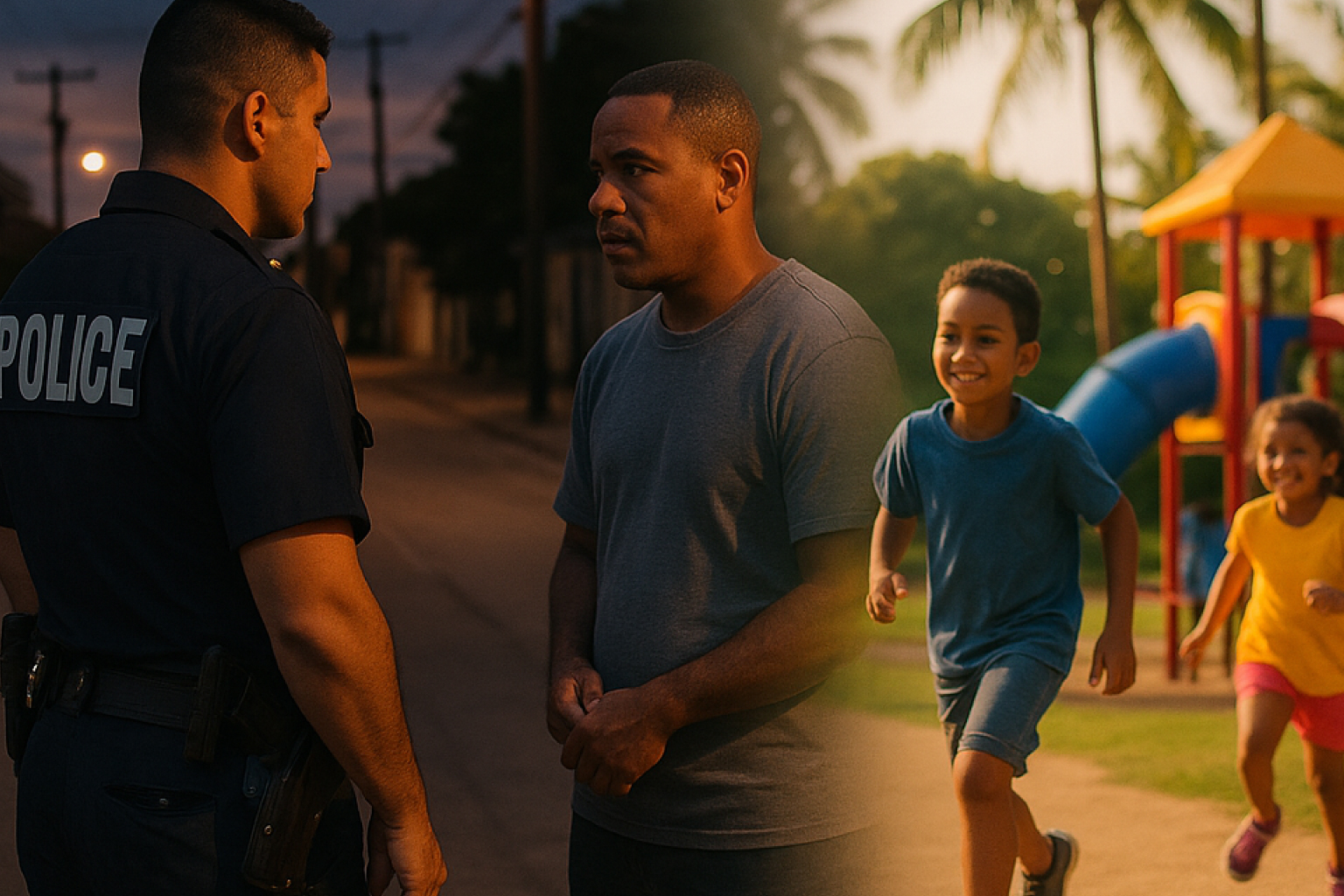
For years, the Virgin Islands have felt quiet tremors beneath the sea — persistent reminders that we live on shifting ground. Yet what shakes us most deeply isn’t nature alone. Decades of unsolved murders, bold daylight shootings, and chronic violence weigh on the mindset of Virgin Islanders both at home and abroad. Over time, these shocks don’t just shake buildings; they shake our sense of safety, trust, and possibility. Too often, leadership responds with caution instead of courage — reacting after tragedy strikes instead of preparing for it.
With fewer than 90,000 residents spread across St. Croix, St. Thomas, and St. John, the U.S. Virgin Islands consistently rank among the highest in the U.S. for homicide rates, electricity costs, and cost of living. This is no coincidence. When economic pressure builds, schools underperform, and families struggle to afford food, housing, utilities, and healthcare, crime becomes tragically predictable.
Indeed, our territory faces a grim reality:
- Homicides remain at 40–50 per 100,000 people — nearly eight times the U.S. average.
- Electricity bills exceed $0.40 per kWh — almost triple mainland costs.
- Essential living costs (excluding rent) run 59% above U.S. norms; including rent, about 47% higher.
- Groceries cost 90% more, transportation 82% more, and housing 32% more than national averages.
- Only 6.1% of students meet math proficiency, and 17.5% meet reading standards; over 80% perform below grade level.
- Nearly 23% of residents live below the poverty line; 28–34% of working-age adults are uninsured.
Families here earn roughly $16,000 less than the mainland average while paying substantially more for basics. That imbalance breeds desperation, and where struggle is constant, crime finds fertile ground. Yet there is genuine reason for hope. Around the world, communities under 100,000 have cut violence through forward-looking, multi-year investments:
- In Latin America and the Caribbean, reducing inequality drove dramatic declines in violence.
- Flint, Michigan’s neighborhood renewal cut violent crime by 40%.
- Baltimore’s Group Violence Reduction paired enforcement with community support, driving homicides to historic lows.
- Columbus, Ohio’s community policing and civilian oversight lowered violent crime by 41%.
- Integrated youth outreach and gun buy-backs in Brazil and Colombia achieved 60–80% violence reductions.
Their secret? Prevention, funded over years — not reactionary fixes.
To truly rewrite our story, we must commit to a strategy that is sustained, measurable, and centered on the public good. We begin by empowering our police with fair pay, advanced training, and forensic tools — guaranteed through four-year budget cycles that protect against political shifts. We blend enforcement with community care by funding violence-reduction teams that combine targeted policing with mentorship and support services.
Equally vital is investing in youth: long-term job programs, tutoring, and school-safety partnerships that endure across election cycles. Trust is rebuilt through transparent civilian oversight, co-response teams, and consistent foot patrols. Revitalizing public spaces with improved lighting, cleanup, and thoughtful urban planning fosters safety and civic pride. Finally, lasting progress demands uniting schools, law enforcement, housing, and social services under one data-driven plan with regular reviews.
None of this works without long-term financial commitment — consistency through governance cycles.
We need visionaries who plan 10–15 years ahead, not just to the next election; who show up daily, not only when crises strike; who understand that public safety is the result of linked systems — education, housing, healthcare, employment, and policing in harmony. Success must be measured by lives saved, not applause.
This is not about blame. It is about embracing collective responsibility, right now, to lead with clarity, commitment, and accountability. Our vision is clear: a Territory where every child grows up strong and safe.
As these leaders have long reminded us:
Frederick Douglass:
“It is easier to build strong children than to repair broken men.”
Dwight D. Eisenhower:
“Youth — our greatest resource — is being seriously neglected in a vital respect.”
Ronald Reagan:
“No American child should be deprived of the education they deserve.”
To every Virgin Islander, we urge you to stand together for proactive prevention, secure long-term funding, integrated community solutions, and outcome-driven leadership. Let us be known as the generation who invested in our future, broke the cycle of reaction, and built a safer, more prosperous Virgin Islands — for every child, every family, and generations to come.