
For decades, St. Croix has imported more than ninety‑five percent of its food, leaving our community exposed to global price shocks and supply‑chain disruptions. Thanks to federal and local support—including USDA Resilient Food Systems Infrastructure grants, local departmental funding under Commissioner Petersen’s leadership, and conservation awards through EQIP, CSP, and REAP—we have begun to rebuild our agricultural foundations. Yet these efforts, while valuable, remain fragmented. To achieve true resilience, we need a unified, strategic vision.
Over the past twenty years, we have secured more than $2.7 million in USDA RFSI funding to upgrade aggregation, processing, and commercial kitchen capacity, alongside $350,000 in departmental appropriations and $500,000 in farmer grants. Conservation and energy‑efficiency programs have contributed over $62 million to Caribbean producers, including fourteen REAP awards benefiting the Virgin Islands. These dollars have financed nutrition programs, abattoir improvements, cistern installations, and essential farm equipment. Nevertheless, farmers still face vacant technical and administrative roles within VIDA and the Department of Agriculture, broken machinery, limited irrigation, and prolonged funding delays that stall production.
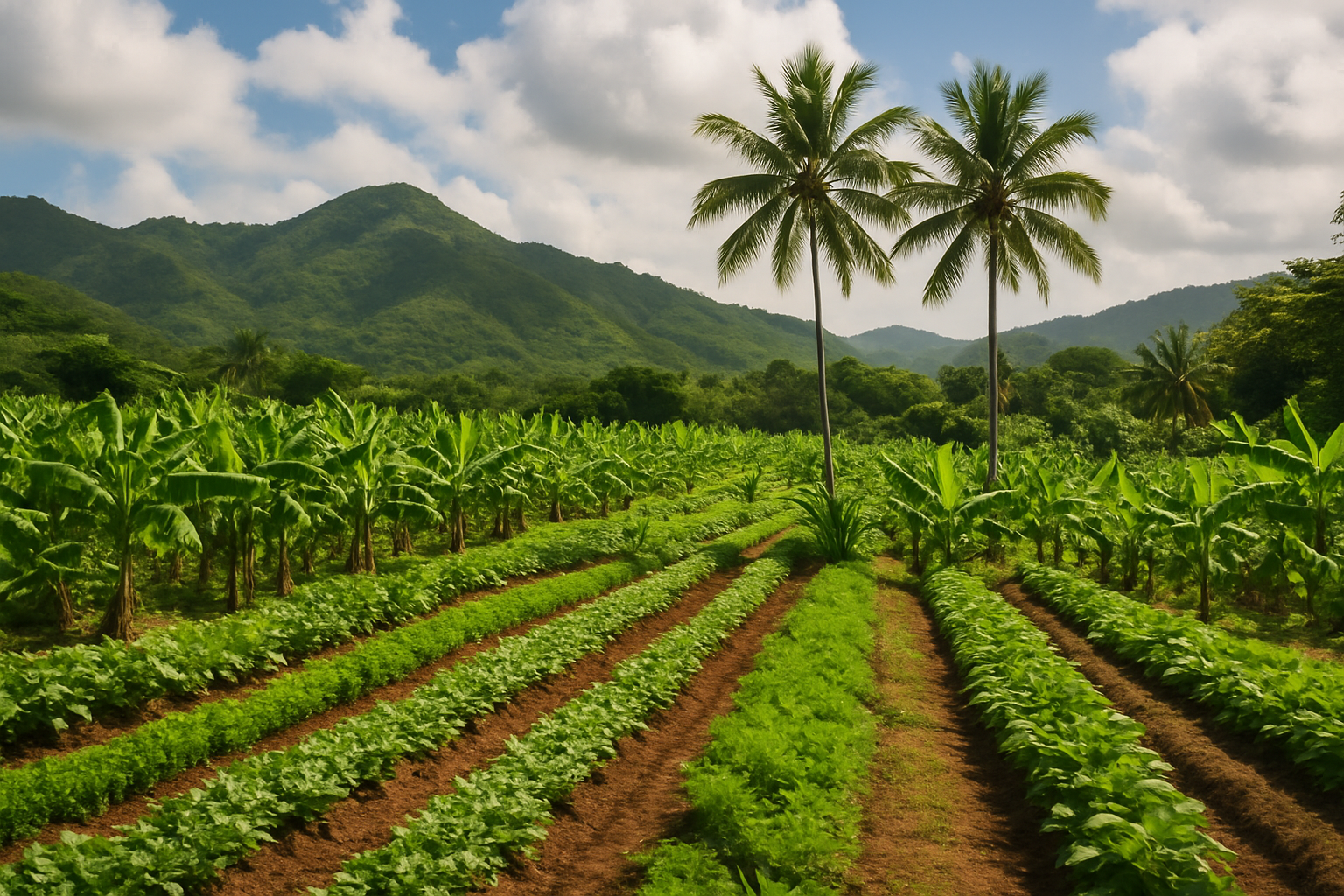
Imagine, however, reserving fifty acres near Frederiksted or Estate Grove to serve our thirty‑thousand residents. By planting climate‑appropriate crops—okra, peppers, tomatoes, leafy greens, sweet potatoes, bananas, and papaya—we could produce one million pounds of fresh vegetables annually, generating two million dollars in wholesale value. This initiative would reduce food imports by ten to fifteen percent, ease grocery costs, and create forty to sixty new local jobs in farming, packing, distribution, and agritourism. Value‑added products—sauces, preserves, and juices—would multiply those economic benefits and deepen our local food culture.
To make this vision a reality, we must bridge the gaps that the Senate Committee on Economic Development and Agriculture exposed in its recent hearings. First, we should leverage USDA Farm Service Agency operating loans—up to $400,000 for tractors, irrigation equipment, and harvesters—and microloans up to $50,000 for specialized gear like drip systems. Private financing options, such as John Deere Financial or AgDirect, can speed access to new machinery. Best practice models from the U.S. mainland show how equipment co‑ops reduce individual costs and ensure timely maintenance; a VIDA‑hosted “Ag Co‑op Fleet” would similarly lower tractor rental rates and keep machines in the field.
Second, we must staff our farms and agencies properly. By allocating portions of RFSI, EQIP, and REAP grants, we can fund irrigation specialists, equipment mechanics, and grant administrators. Partnering with the University of the Virgin Islands for on‑island apprenticeships and certifications will build local expertise, and streamlining hiring processes—from ninety days to thirty days—will ensure positions are filled when they’re needed most.
Finally, we need to organize, train, and market. Let’s designate and prepare fifty acres, install fencing, conduct soil tests, and map our water sources. Let’s establish cooperatives for bulk purchasing and shared marketing. Let’s embrace climate‑smart practices—cover crops, mulching, integrated pest management, and drip irrigation—that protect soil and boost yields. And let’s brand our harvest under a “Made in St. Croix” seal, pairing farm visits and tasting tours with local hotels and restaurants to celebrate our island’s bounty.
Commissioner Petersen and the Local Food & Farm Council have laid the groundwork through abattoir upgrades, cistern projects, and cooperative frameworks. Now it is our collective responsibility to build on their progress. With land, leadership, financing tools, and a clear roadmap, we can transform St. Croix into a resilient, productive, and pride‑filled agricultural community.
Let us sow our future today—one seed, one field, and one harvest at a time.